Washington Targets China’s Corporate War Machine
The Pentagon has escalated its economic and security campaign against Beijing, adding several of China’s best-known corporate giants to a list of companies it says are linked to the Chinese military.
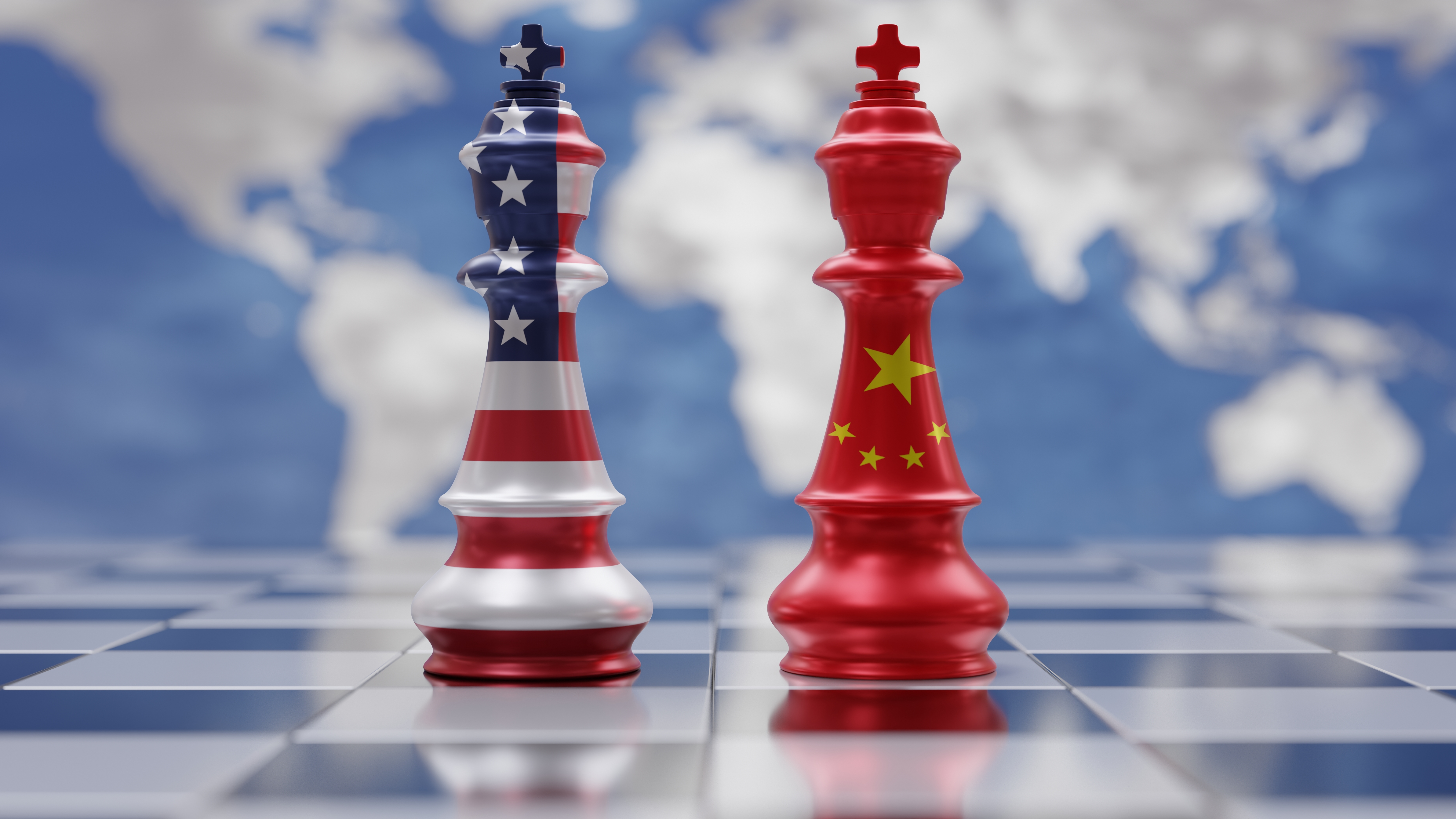
The Pentagon has escalated its economic and security campaign against Beijing, adding several of China’s best-known corporate giants to a list of companies it says are linked to the Chinese military.
The updated list now includes Alibaba, electric vehicle manufacturer BYD, search giant Baidu, robotics company Unitree, memory chipmakers CXMT and YMTC, and biotech firm WuXi AppTec. In total, the Pentagon’s list has grown to 188 Chinese entities, up sharply from around 130 last year.
The move reflects Washington’s growing concern over China’s military-civil fusion strategy, under which civilian companies may be used to support the Chinese military’s technological and industrial buildup. While inclusion on the list does not automatically ban the companies from operating in the United States, it creates serious business, reputational, and regulatory consequences.
Beginning this month, the U.S. Defense Department is barred from signing direct contracts with companies on the list. From 2027, the restriction is set to expand further, blocking the Pentagon from purchasing their products indirectly through third-party suppliers.
The decision comes as American lawmakers are pushing for tougher action against Chinese companies with alleged military links. Some members of Congress are already calling for such firms to be removed from U.S. stock exchanges, arguing that American capital markets should not help fund China’s military rise.
The inclusion of Alibaba, BYD, and Baidu is especially significant because these are not obscure defense suppliers. They are major global companies with deep roles in commerce, artificial intelligence, electric vehicles, cloud computing, data, and consumer technology. Their appearance on the list shows that Washington increasingly sees China’s civilian technology sector as inseparable from Beijing’s strategic ambitions.
The new list also points to growing concern over sensitive supply chains. Unitree, known internationally for its advanced robots, was identified as important to China’s military supply network. CXMT and YMTC, two leading Chinese memory chipmakers, were also returned to the list after being removed for a short period. Their inclusion signals that semiconductors remain one of the central fronts in the U.S.-China technology struggle.
The Chinese companies have rejected the accusations. Alibaba and Baidu said there is no basis for the Pentagon’s claims and denied being part of any military-civil fusion effort. China’s embassy in Washington also criticized the move, accusing the United States of stretching the definition of national security in order to target Chinese businesses and create a discriminatory commercial environment.
The timing is sensitive. The move comes less than a month after President Donald Trump met Chinese President Xi Jinping in Beijing, where both sides attempted to preserve a fragile pause in the trade war.
That pause now looks increasingly limited. Washington is no longer treating these companies as isolated cases. It is treating them as part of a broader strategic contest over technology, supply chains, and military power.