Why Zara Stores Look Like a Mess During Sales – And How It Makes You Spend More
The chaos of sale season – piles of clothes, items on the floor – isn't just about overwhelmed staff. A retail strategist reveals the psychology behind the disorder and how it primes shoppers to pay full price later.
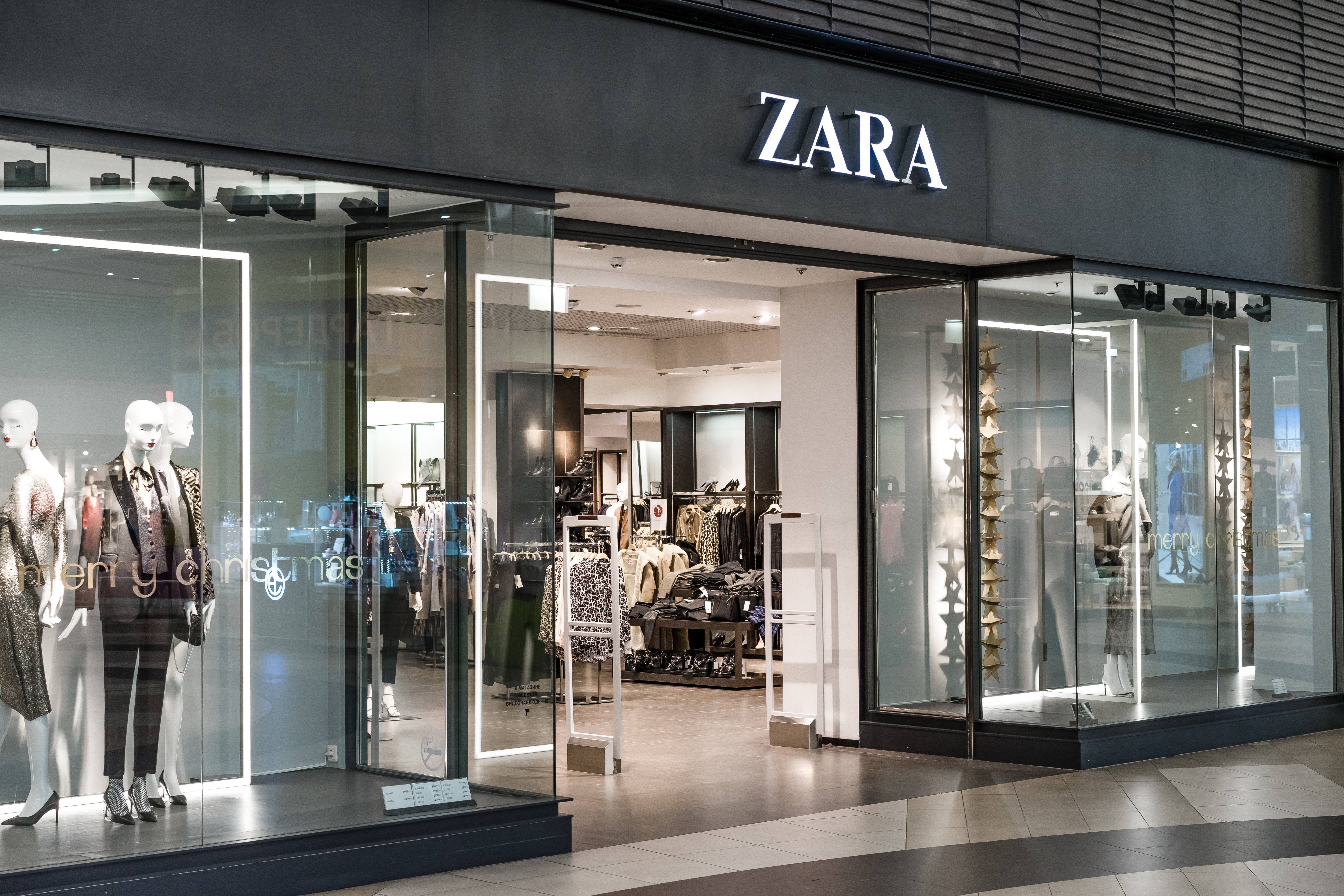
Anyone who's walked into Zara during sale season knows the scene: mountains of clothing, items strewn about, sometimes garments scattered on the floor. It's easy to assume this is simply the result of customer overload and staff struggling to keep up – but it turns out the chaos has a deliberate psychological effect on how we shop.
Tzipi Postbevsky, who specializes in commercial positioning strategy and owns the ZIPO brand, explains that the sale shopping experience is built in part on a consumer principle called "Treasure Hunting."
The Feeling You Found What Others Missed
According to Postbevsky, searching through piles of clothing creates a sense of discovery and achievement in customers. When we find a great item amid all the disorder, it feels rarer and more special – as if we managed to uncover something others overlooked.
This is also why some shoppers actually enjoy digging through the items and hunting for the best deal. The purchase is no longer just selecting a garment, but becomes a kind of game with a prize waiting at the end.
How the Chaos Serves the New Collection
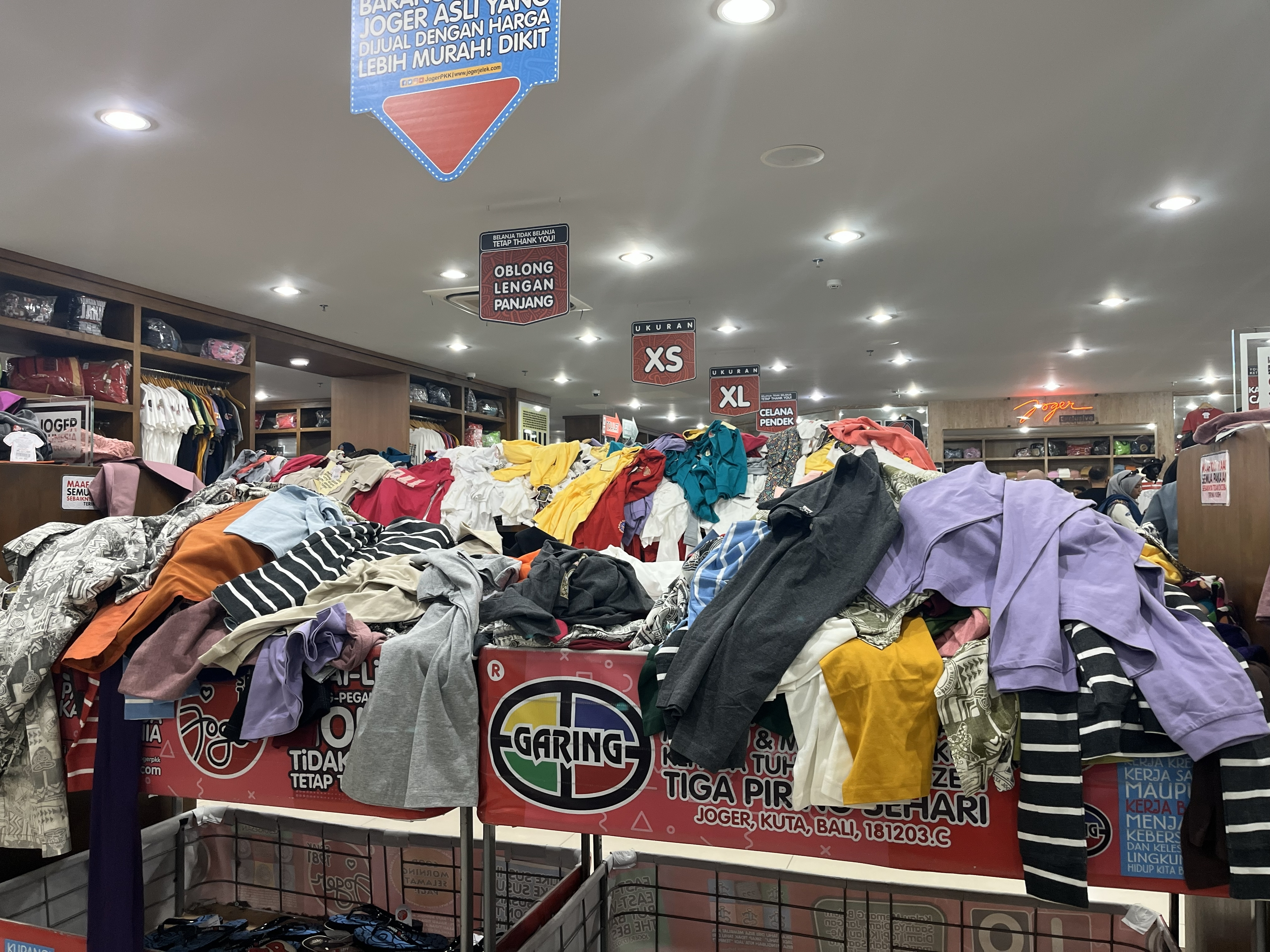
But the disorder during sales doesn't only affect purchasing in that moment. According to Postbevsky, it may also prepare customers for their next store visit.
After a period of crowding, clothing piles and prolonged searching, the new collection arrives in the store and is displayed in an orderly, clean and meticulous manner. The sharp contrast between the two experiences makes the new items appear more luxurious and attractive – even when they cost significantly more than sale items.
In other words, even someone put off by the mess who doesn't buy during sales may return a few weeks later, appreciate the order of the new collection more, and be willing to pay a higher price for it.
In the end, whether you enjoy hunting for bargains or prefer an orderly, clean store, it seems store design affects us far more than we realize.