Ancient Workshop Unearthed Six Meters Below Tbilisi Street
Road repairs in Georgia's capital reveal pottery workshop and ceramic vessels from the 10th-11th centuries, among the earliest medieval finds ever discovered in the city
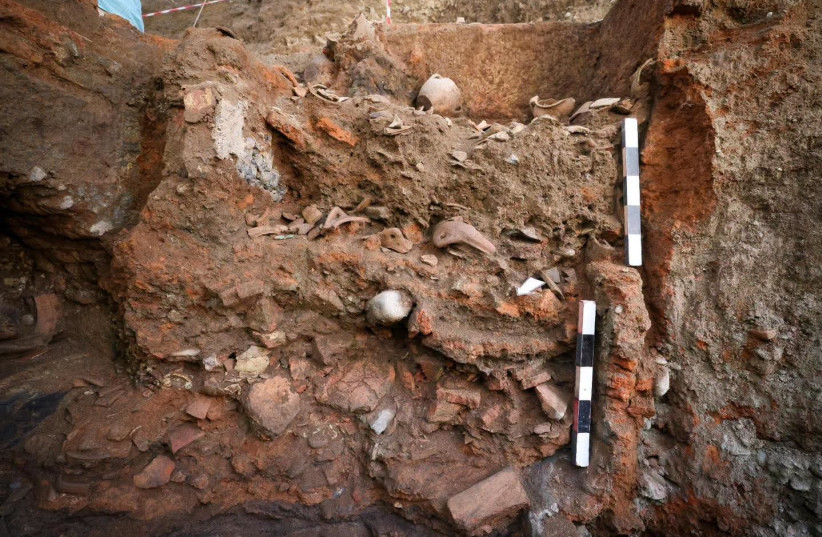
What began as routine infrastructure work in the heart of Tbilisi, Georgia has turned into a major archaeological excavation after workers discovered remnants of a medieval pottery workshop six meters beneath Rustaveli Avenue, the capital's main thoroughfare. Initial examinations date the ceramic vessels and workshop remains to the 10th and 11th centuries, making them among the earliest medieval pottery finds ever uncovered in the Georgian capital.
The construction project on Rustaveli Avenue launched over the summer as part of a municipal initiative to upgrade crosswalks, signage and underground infrastructure. While the renovations caused significant traffic congestion and disruption in the city center, they simultaneously opened an unusual window into the historical layers upon which modern Tbilisi was built.
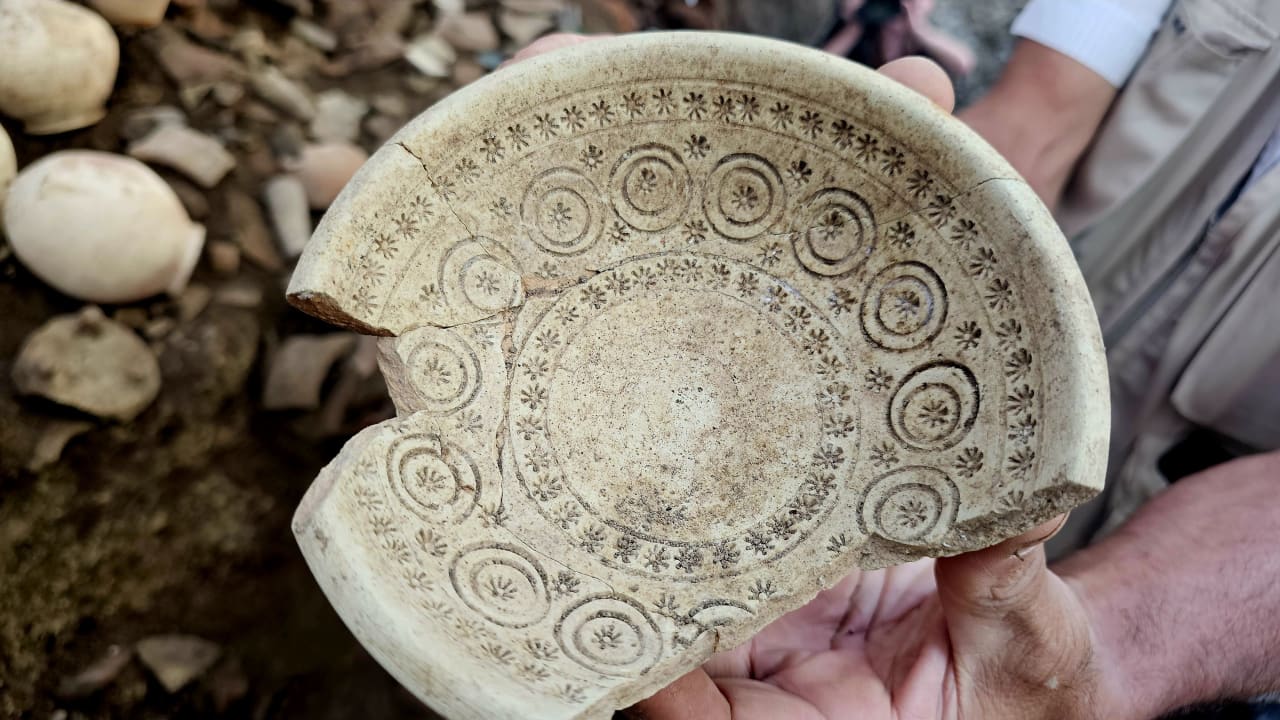
Among the discoveries, archaeologists identified the remains of a ceramic workshop along with decorated pottery vessels. Preliminary analysis of the decorative styles suggests the pieces were created during a period when Tbilisi was under Muslim rule and served as an important commercial station along the Silk Road. The finds are expected to be transferred to the National Museum of Georgia, where they will undergo 3D scanning and detailed research.
David Lordkipanidze, director of Georgia's National Museum, explained that from an archaeological perspective, the discovery itself is not particularly surprising. Tbilisi, he noted, is extraordinarily rich in archaeological remains from various periods, making it logical to find workshops and structures from ancient eras beneath the modern city.
According to medieval Georgian chronicles, Tbilisi's origins date to the fourth century CE. The city flourished particularly during the medieval period and changed hands numerous times among rulers including the Umayyad Caliphate, the Abbasid Caliphate, and the Seljuk Empire. Its strategic location transformed it into a major commercial and economic hub in the Caucasus region.
Lordkipanidze emphasized that throughout history, Tbilisi has been a multicultural city and a significant regional center. In subsequent centuries, Mongols, Persians and Russians also passed through, each period leaving its mark on the city and its architecture.
Even the city's name preserves part of its local history. "Tbilisi" means approximately "warm place" in Georgian, referring to the hot sulfur springs that flow in the area. Some of these water sources have been rediscovered precisely as a result of infrastructure work in the city's streets.