Israel Film Council Demands Screening of NAZA After Venice Win
Council calls for immediate professional screening in Israel, warning that hiding the documentary strengthens suspicion it is fabricated propaganda
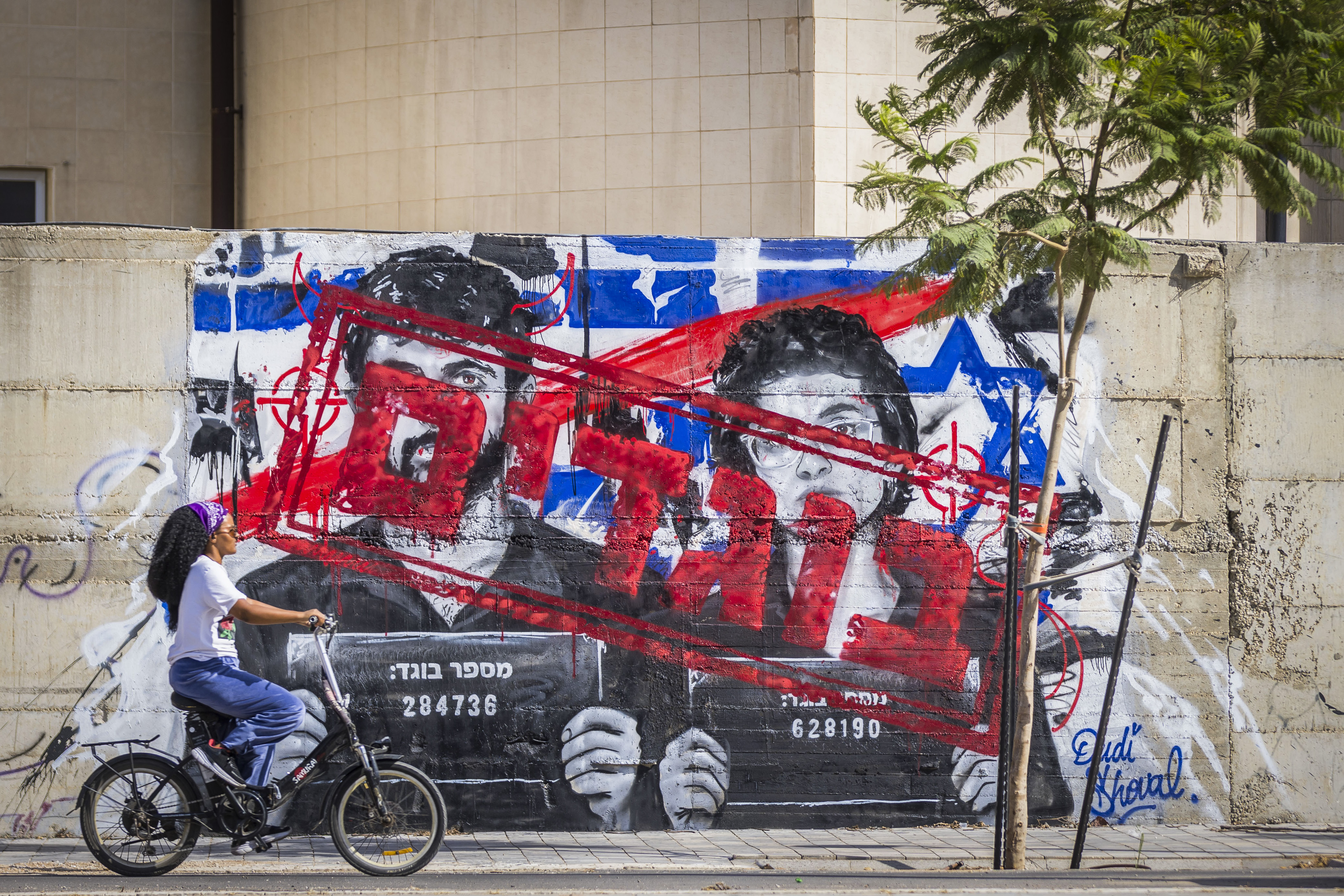
Following the European screening launch of the documentary NAZA, Israel's Film Council issued a sharp demand Wednesday for an immediate showing of the film to council members and professional figures in Israel. The council warned that preventing the film's exhibition in Israel and concealing it from professionals raises serious questions and strengthens suspicions that it is fabricated propaganda.
"This concealment raises grave concern that the work serves Israel's enemies, led by Hamas in Gaza, on the backs of IDF soldiers and Israel's fallen," the Film Council stated. The demand comes amid widespread public uproar following the film's win at the Venice Film Festival, with many in Israel accusing its creators, Yuval Abraham and Rachel Szor, of harming the state and the IDF.
Wave of Sharp Responses From the Establishment
The Film Council's demand joins a long chain of harsh reactions from senior security and political figures. IDF Chief of Staff Eyal Zamir sharply attacked the filmmakers, saying they "blacken IDF soldiers and commanders in various ways, using baseless lies and manipulations." According to him, "This is a national and international mission, and we must stand up on every platform and before every claimant and say clearly: the IDF is the most moral army in the world."
Culture Minister Miki Zohar took additional steps following the storm. He approached Shin Bet chief David Zini demanding an investigation into the sources of information and materials used to create the film and the circumstances of their arrival to the creators. In his letter, the minister noted that "the creators claim the film is based on testimonies from Israeli military and intelligence personnel, but the sources are hidden and their identity and reliability cannot be verified."
Voices From the Field: Bereaved Families and Fighters
Hagai Luber, father of fallen Staff Sergeant Yonatan Luber, addressed the controversy on Galei Yisrael radio, saying painfully: "My son is the collateral damage of these unfortunate decisions. This damage could have been prevented." Luber added that "I, whose son was killed because of a pinpoint operation, because they sent them to fight inside houses and inside alleyways, and they shot at him from tall, dominating buildings."
Yochai Gringlik, cousin of fallen Staff Sergeant Shauli Gringlik, also came out sharply against the film. "The damage these filmmakers are doing to the State of Israel and the IDF is absolutely not collateral. It is deliberate and malicious," he wrote. "These two directors have done more damage to Israel than all the Israelis who spied for Iran during the war combined."
From the Religious Establishment: 'Endangering Jewish Lives'
Rabbi David Lau, former Chief Rabbi of Israel, addressed the film during his visit to the "Be'er HaTechiya" hesder yeshiva in Be'er Sheva. Responding to a question from a student who returned from combat service in Golani, Rabbi Lau said: "The Rambam already ruled regarding informers that their path to repentance is long and difficult." He added that "those who spread slander about the state and its fighters endanger the lives of Jews throughout the world."
Critical voices were also heard from the cultural world. Singer and creator Aviv Geffen posted on his story: "I sang over graves of entire families who were slaughtered, and soldiers who died because they maintained purity of arms. They will no longer get to applaud Yuval Abraham's film."
Film Council Reform
The Film Council recommended to the Culture Minister a complete cancellation of the scoring mechanism that grants government support to films participating in international festivals. In its place, the council recommended establishing a dedicated budgetary support track devoted entirely to films dealing with the heroism of IDF fighters and Israel's campaigns.
Culture Minister Miki Zohar welcomed the recommendations and announced he would adopt them promptly: "International festivals have proven time and again that they seek to harm the State of Israel, and the state has no reason to fund films intended for success in those places." The Film Council explains that the measures are designed to confront waves of blackening and defamation funded against Israel in media and festivals worldwide.
The storm surrounding NAZA continues to develop, with additional figures in the political and security establishment expected to address the issue in the coming days. Further updates to follow.