Air Force Commander: MK Almog Cohen Endangered Officer in Sensitive Role
IAF commander sends rare letter to military prosecutor after Cohen's social-media post allegedly exposed classified identity of officer in sensitive position • Cohen: The information was already public • Case raises questions on line between speech and security
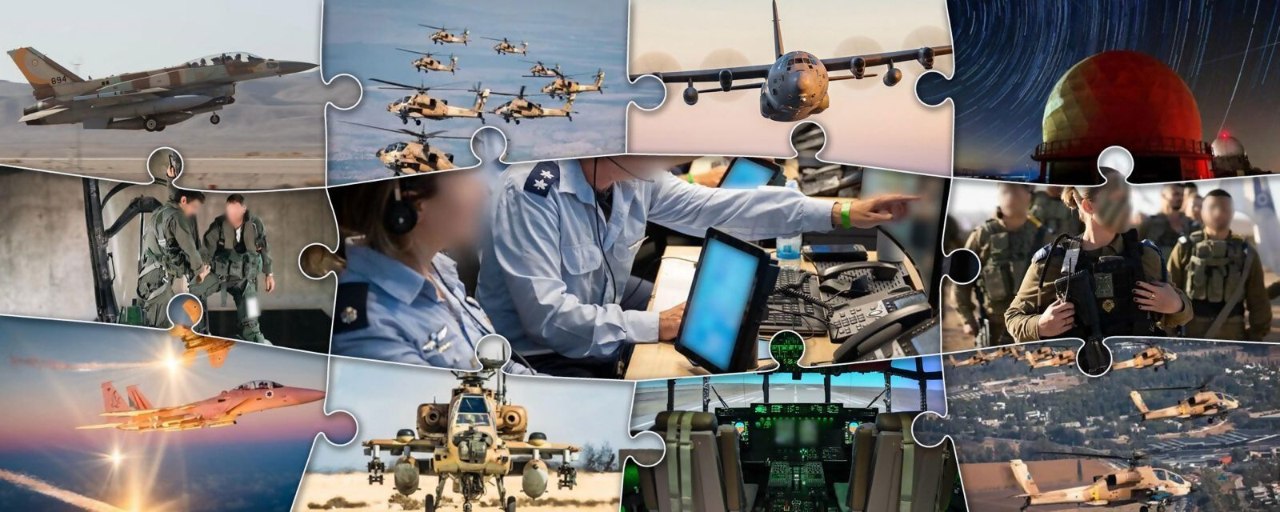
The commander of the Israeli Air Force has sent a rare letter to the chief military prosecutor, warning that a social-media post by Almog Cohen, former deputy minister and incoming Likud MK, exposed the classified identity of an Air Force officer serving in a sensitive position. According to the first report by military correspondent Doron Kadosh on Galei Tzahal, the commander argued in the letter that the post harmed the officer's security and placed him in real danger.
At the same time, Air Force officials approached the military censor with a request to examine removing the posts from social media. But it emerged that the censor has no real enforcement powers over social-media content, and is limited in its ability to force removal of material already published.
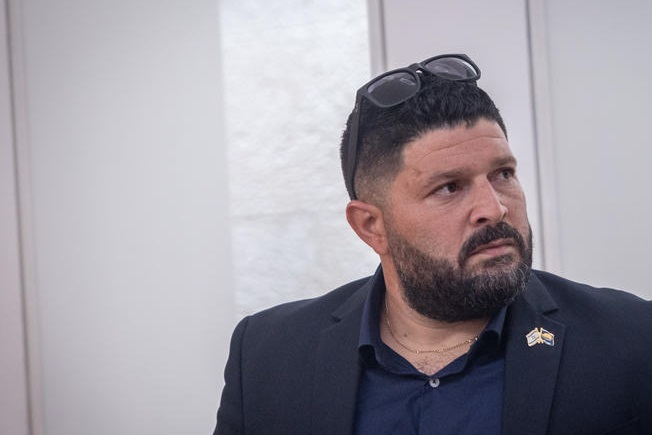
According to the context on social media, Cohen's post referred to the son of a well-known news presenter, identifying him as a pilot in the Air Force. Cohen argued in his responses that he did not expose a name or identity directly, and that the information was already available publicly, including from earlier posts or even from the father himself. He also accused his critics of hypocrisy, pointing to other publications that in his view endangered pilots, such as early reports on strikes.
Critics, among them Brig. Gen. (res.) Avi Benayahu and others, accused Cohen of serious irresponsibility. According to them, even a clear hint is enough to endanger a person serving in an operational role, especially in an era when enemies track every detail online.
The chief censor, Col. Netanel Kola, even called Cohen and asked him to remove the posts. Cohen refused, arguing that the information already appears in other sources, and demanded it first be removed from there.
The tension between Cohen and figures in the media and security establishment is not new. In the past he was involved in battles to expose details in the "imposter officer" affair (Asaf Shemualevitz), and in other cases where he touched on sensitive information. On the other hand, his critics argue that he tends to cross red lines when it serves his political agenda.
In the security establishment, the exposure of identities of aircrew is seen as a tangible threat. Pilots and officers in sensitive positions are a preferred target for enemy intelligence, and any detail that appears online can facilitate tracking, threats or attempts at harm. Therefore the official response from the Air Force commander is seen as unusual and significant.
The affair raises questions about the line between political free speech and the need to protect aircrew and officers in sensitive positions. Some argue that Cohen only echoed information that was already known, and that the security establishment is exaggerating when it comes to a politician from the right. On the other hand, others see this as another example of irresponsible conduct in which politicians use security information as a battering ram.
As of now, the Air Force commander's letter is in the hands of the military prosecution, and the censor is examining the options available to it. Whether or not further steps are taken, this case joins a long list of incidents in which the line between politics and national security becomes thin and dangerous.