Smugglers Switch From Drones to Helium Balloons to Beat IDF Jamming on Jordan Border
Silent helium balloons carrying tens of kilograms now cross the Arava, evading electronic warfare systems • Security officials fear the route will shift from drugs to weapons and terror materiel into Judea and Samaria
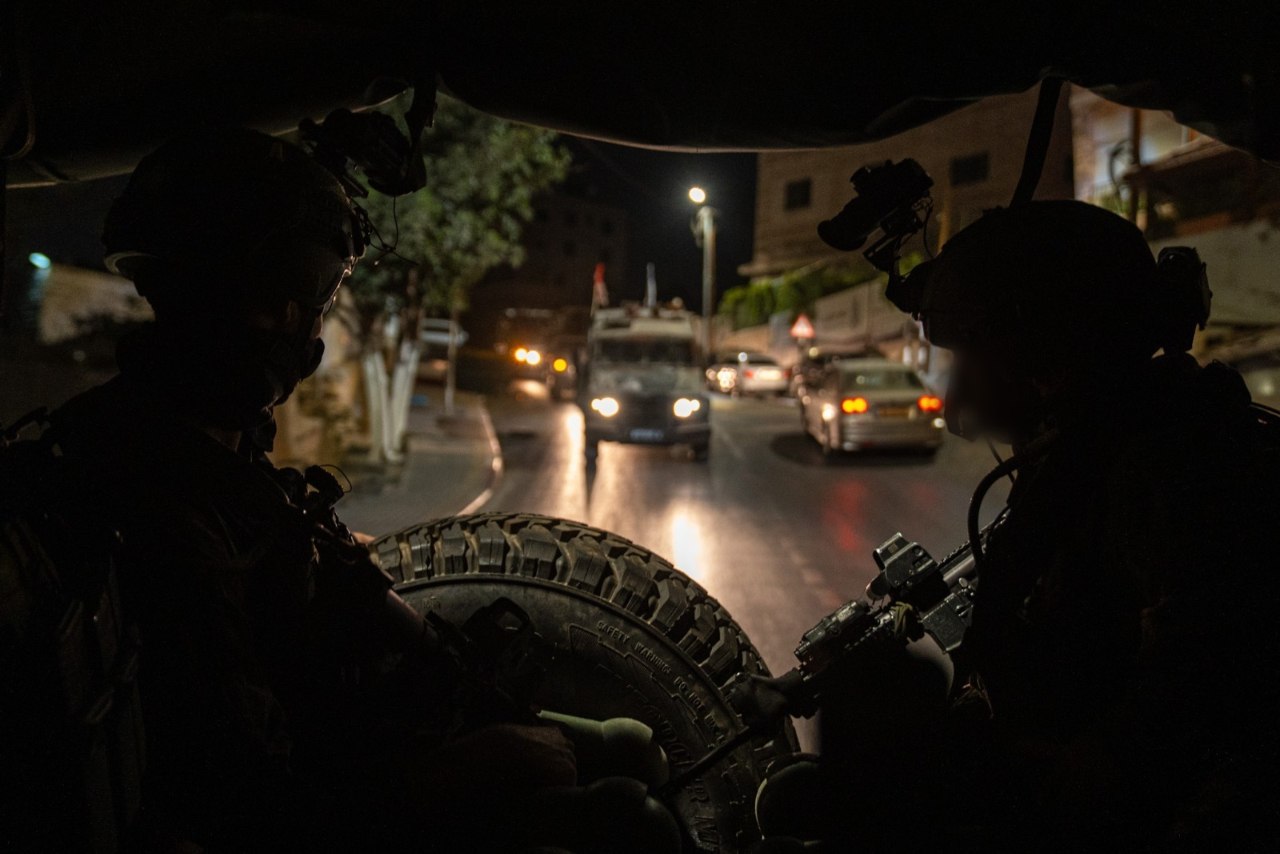
Smuggling networks operating along Israel's eastern border have changed tactics in recent weeks: instead of drones vulnerable to IDF electronic jamming, the skies over the Arava are now filled with silent helium balloons carrying tens of kilograms of cargo and advanced navigation equipment. Security officials and civilian watchdog groups warn that the threat could shift rapidly from drugs to weapons and terror materiel.
For years, drones were the primary tool in the smuggling trade, fast, precise, and capable of carrying significant loads. But after the IDF adapted its electronic warfare systems to jam the frequencies that control them, the smuggling networks changed course. The answer was a return to "old" but effective technology: helium balloons and weather balloons.
The advantage of balloons is clear: with no motor or remote control frequency, they have no digital signature or noise that can be easily detected and jammed. Smugglers attach a GPS device to the balloon and sometimes a timed release mechanism, such as a Shabbos clock that activates a heating coil to burn through the rope at the designated hour. That allows massive shipments, such as an unusual 100-kilogram load recently discovered near Ein Yahav, to land at a precise point where a pickup team waits on the Israeli side.
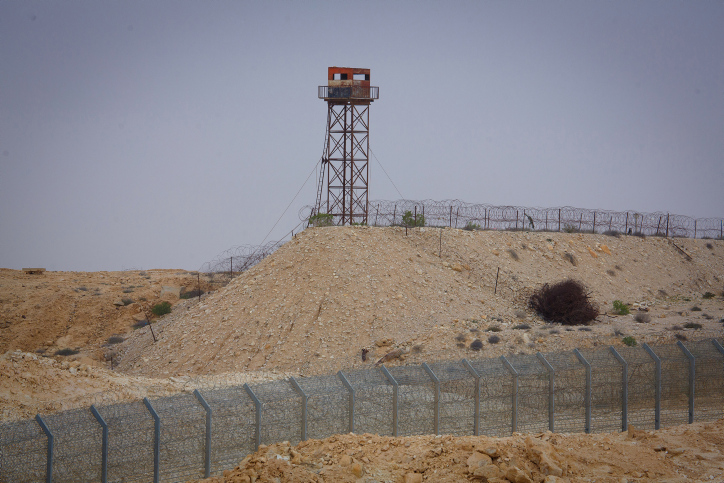
Most of the activity is now concentrated in the Yoav Brigade sector in the Arava, as part of a "two-way trade corridor": drugs leave Israel for Jordan, and in the opposite direction weapons enter. As reported by Kikar Hashabat, significant smuggling infrastructure has been uncovered in the area in recent months, with dozens of weapons and large quantities of drugs smuggled across the Egyptian and Jordanian borders during 2024–2026.
While aerial smuggling directly into Judea and Samaria is still carried out mainly by drones, the concern within the security establishment is deep and justified. The Jordanian smuggling corridor serves as a critical supply pipeline for terror infrastructure in Judea and Samaria. The technological and logistical infrastructure of the balloons is multipurpose: the same method now used to transport hashish could be used tomorrow to transport standard explosives, charges, and advanced weapons.
In a joint operation by the Shin Bet and the Israel Police's Southern District, six Negev residents were arrested on suspicion of involvement in smuggling weapons and drugs. According to the investigation's findings, dozens of pistols, dozens of M16 rifles, three machine guns, thousands of rounds of ammunition, and large quantities of hashish were smuggled into Israeli territory.
Security officials and civilian organizations, including the Regavim Movement, warn that the challenge is not only technical. Even when a balloon is picked up on radar systems, physically intercepting it is far more complex than shooting down a drone. Beyond that, dealing with the aircraft alone does not provide a root solution.
The reality on the ground proves that a border that appears quiet and open serves as an active pipeline feeding both crime and terror. The silent balloons floating over the Arava are a reminder that security threats do not always arrive with the roar of engines, sometimes they simply arrive with the wind.