Russia's 14 Spy Satellites: The Intelligence That Destroyed a U.S. AWACS Warplane
CNN investigation reveals Moscow provided Tehran with precision targeting data from orbiting surveillance network, enabling strike that destroyed advanced AWACS aircraft and wounded American troops at Saudi base
An Iranian strike on the joint U.S.-Saudi Prince Sultan Air Base near Riyadh in late March left behind unprecedented strategic damage: 12 American service members wounded and an advanced E-3 Sentry (AWACS) command-and-control aircraft worth hundreds of millions of dollars almost completely destroyed. But the central question occupying Washington's security establishment wasn't just how the base was hit—it was how the Iranians managed to pinpoint a moving aircraft with such precision.
According to an investigation by Militarnyi and CNN, the answer points to close intelligence cooperation between Russia and Iran. Analysis of orbital data reveals that in the two days preceding the attack, no fewer than 14 Russian Cosmos-series spy satellites passed over the base in a coordinated sequence. Leading the array was the advanced Cosmos 2573 satellite, equipped with high-resolution imaging capabilities, synthetic aperture radar (SAR) that can see through darkness and clouds, thermal sensors, and systems for locating radio signals.
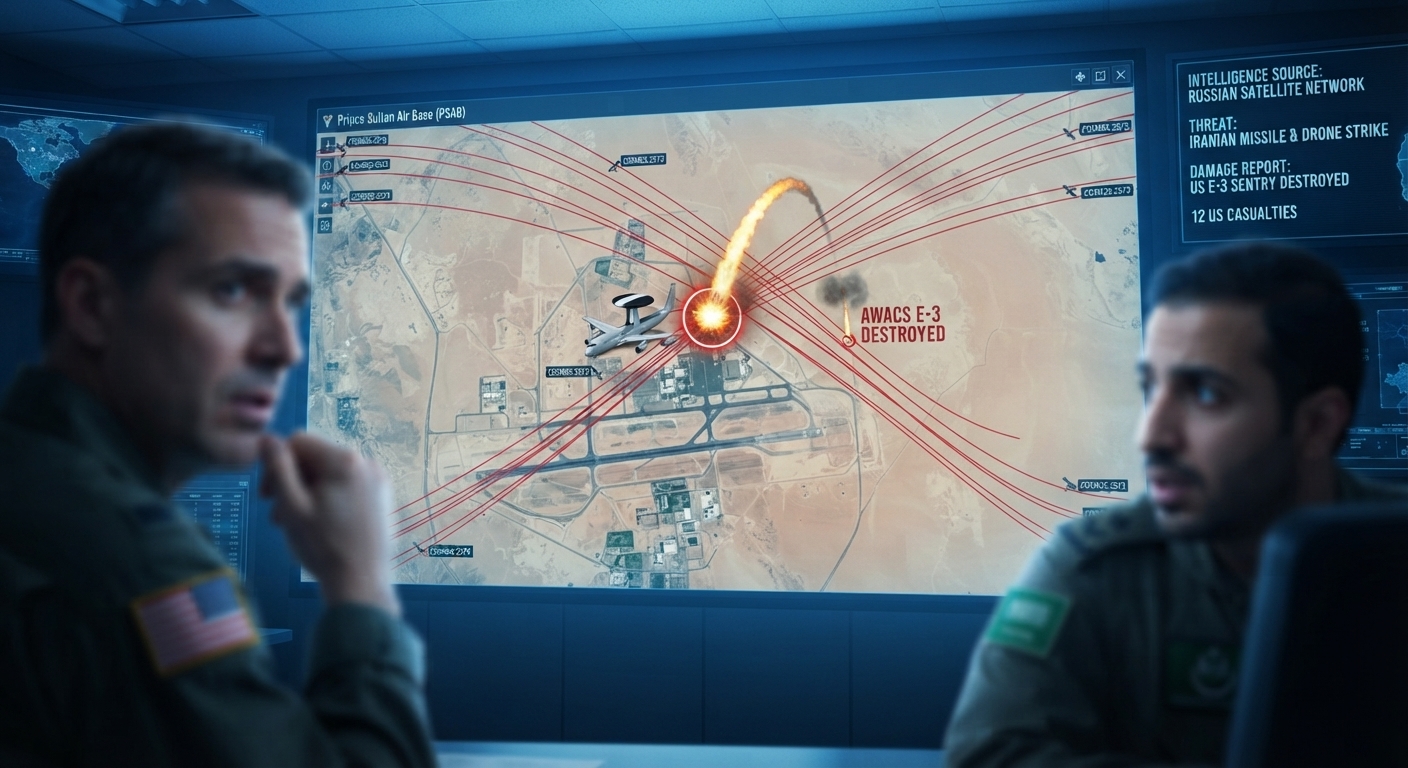
Senior intelligence officials made clear that Russian geospatial intelligence provided Iran with surgical precision. Without the Russian satellite envelope, Tehran lacks independent capability to operate this way against sophisticated Western defense systems. The satellites supplied imagery, located air defense systems, and intercepted internal communications at the site, enabling Iran to identify the exact location of the AWACS aircraft, which was not parked in its usual spot.
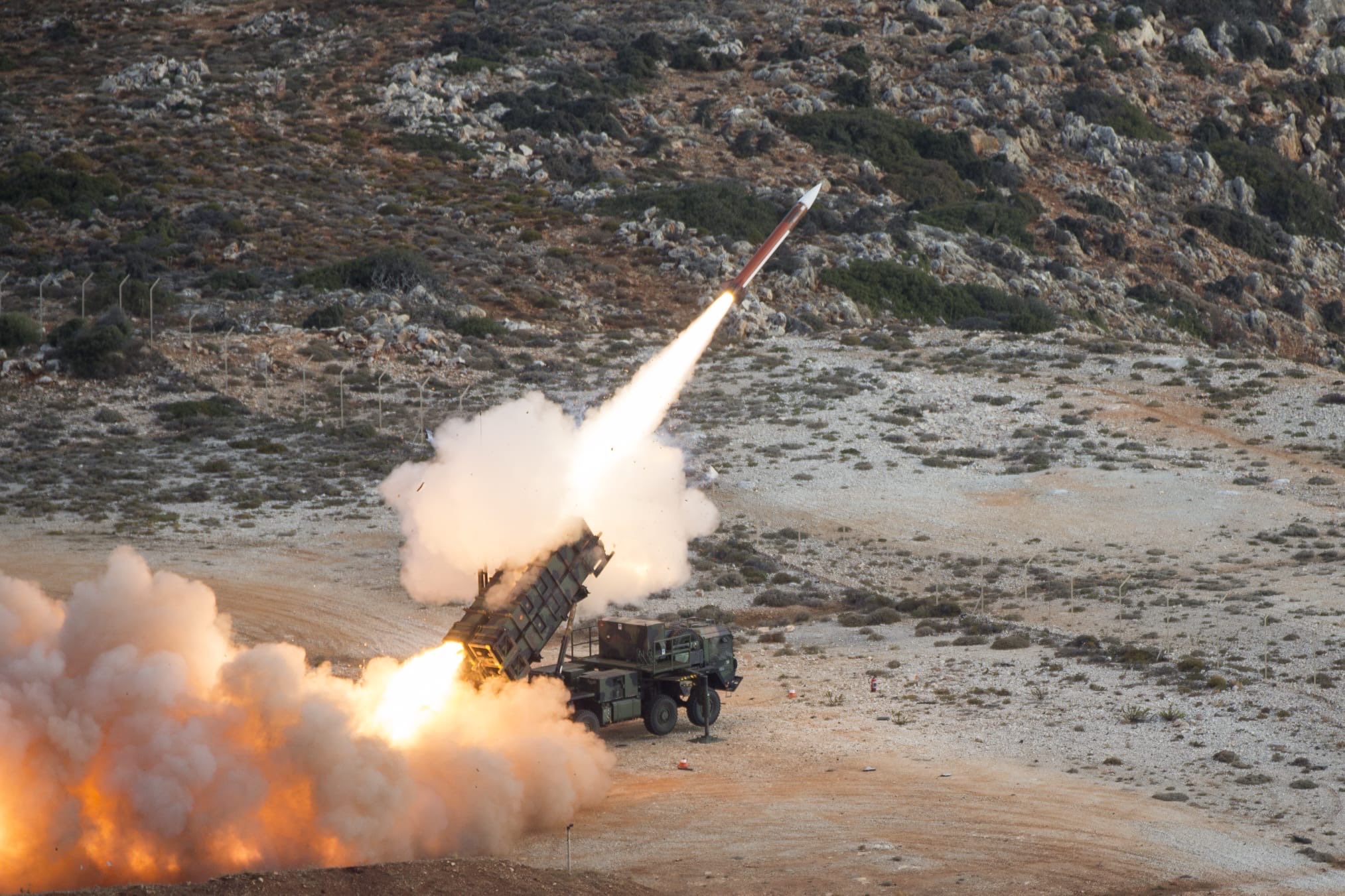
Air defense systems at the base failed to prevent the strike, apparently due to the precise intelligence transmitted from Russian satellites. The United States has expressed concern that Moscow's involvement is not isolated, and that Russia has been feeding Iran continuous intelligence on American assets throughout the Middle East. Among other things, the space-based intelligence helped Tehran strike a CIA asset in Riyadh.
The military cooperation reflects the tightening alliance between the two countries since 2022. Iran supplied Russia with drones for the war in Ukraine, and in return received intelligence and drones. Security experts view this move as Moscow's direct response to American and Western support for Kyiv, including authorization granted to Ukraine to strike deep inside Russian territory.
The incident places Saudi Arabia in a diplomatic quandary. Riyadh hosts the American base on its sovereign soil, but finds itself indirectly harmed by close cooperation between its critical OPEC+ partner, Russia, and its sworn enemy, Iran. A Saudi source close to the royal house revealed to Channel 12 News the depth of frustration at the kingdom's leadership: "There is deep disappointment in Saudi Arabia with the American position and a growing sense of helplessness."
Meanwhile, U.S. President Donald Trump stated overnight that in his assessment, the conflict with Iran is nearing its end, claiming that Tehran is "eager" to reach an agreement with Washington. When asked whether contacts were conducted directly or through intermediaries, the president replied: "No, directly." According to a Channel 12 report, the president is expected to meet with Gulf state leaders on the sidelines of the UN General Assembly in New York next week.