Bessent Urges Trump to Give Iran Pressure Campaign More Time Before Strikes
Treasury Secretary Scott Bessent, who leads the economic campaign against Iran, is advising President Trump to delay a return to combat. A Treasury report found that sanctions and a naval blockade have crippled the Iranian economy.
Treasury Secretary Scott Bessent is among the close aides advising President Donald Trump to give the economic squeeze on Iran more time before the United States returns to combat. Axios reported that Bessent leads the campaign, which is called Operation Economic Outcast.
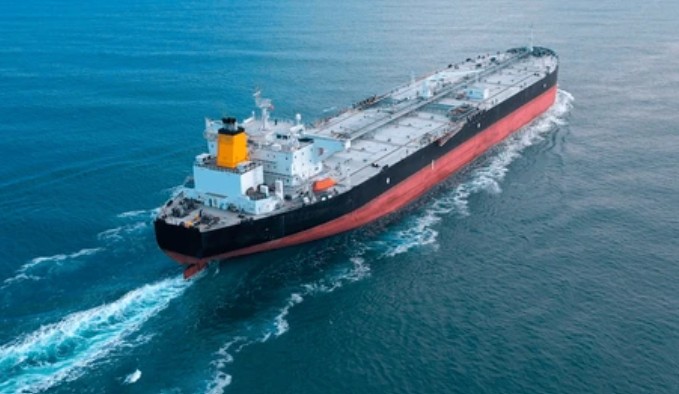
A Treasury Department report obtained by Axios found that the US naval blockade, sanctions and the obstruction of Iran's overland export routes have crippled the Iranian economy. The report's findings include:
The report did not argue that the regime is close to collapse.
Trump has made a similar case in public. Speaking at the White House on Friday, he said Tehran was struggling to pay its security forces. "They're not paying their soldiers, they're not paying their police. They're in a lot of trouble. And we have time, frankly. It's a war, but it's not a typical war," Trump said.
On Saturday, Trump told reporters at his Mar-a-Lago estate in Florida that one or two Iranian sites still had to be dealt with. He named Pickaxe Mountain, which JNS described as a suspected underground nuclear facility near Natanz. "We can do that in 10 minutes," he said.
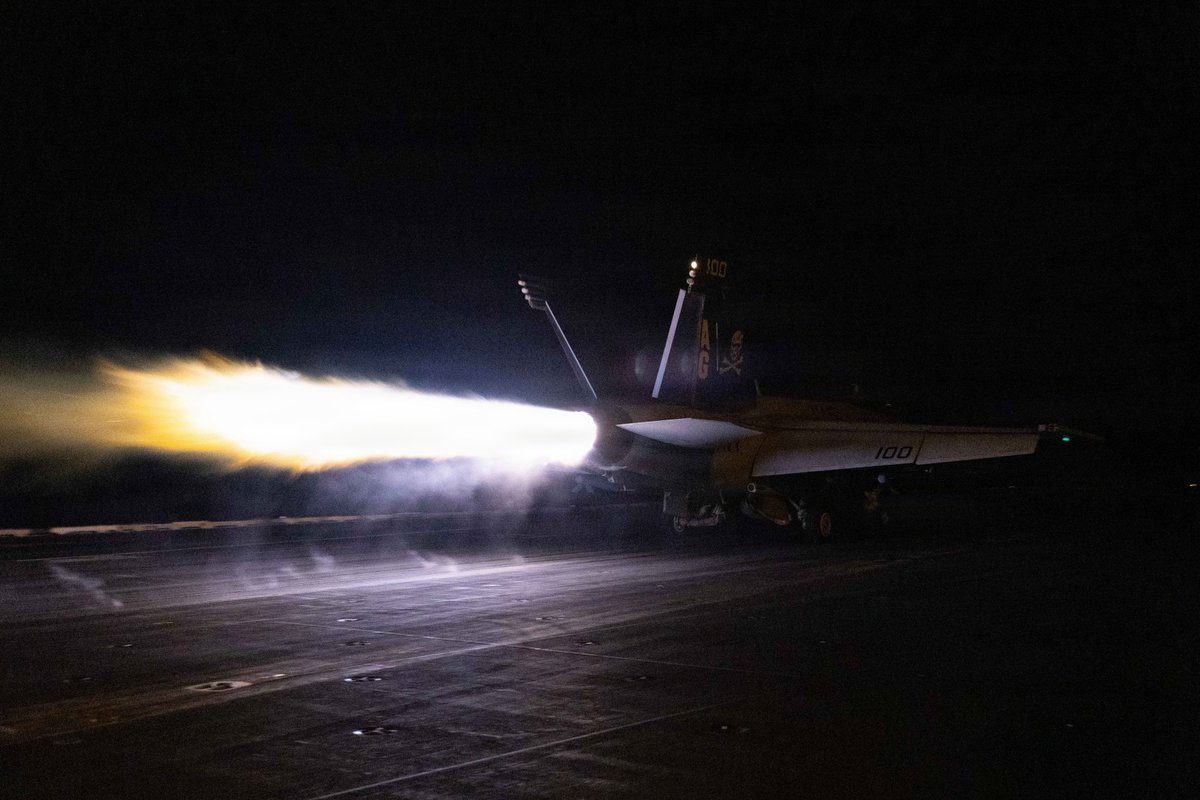
US Secretary of State Marco Rubio said on Saturday that Trump "hasn't made a decision" on resuming strikes and prefers a diplomatic resolution, Fox News reported.
In Tehran, Iranian Supreme Leader Mojtaba Khamenei ordered the country's armed forces on Saturday to prepare an "immediate, impactful, and geographically unrestricted response" to any attack, the state-affiliated Iranian Students' News Agency and Reuters reported separately.
Bessent has previously laid out a bleak outlook for the Iranian economy. On October 26, he forecast that Iran's economy will shrink by more than 25% between March 2026 and March 2027, a steeper fall, he said, than the Soviet Union's after its collapse.